She Saved UGX 1 Million a Week. So Why Are Women’s Businesses in Amolatar Still Struggling to Grow?
By Israel Brown;
NUWEBIZ Foundation’s October 2026 GROW Project sensitization and grassroots mobilisation activities reveal the business challenges facing women entrepreneurs and opportunities for targeted development partnerships.
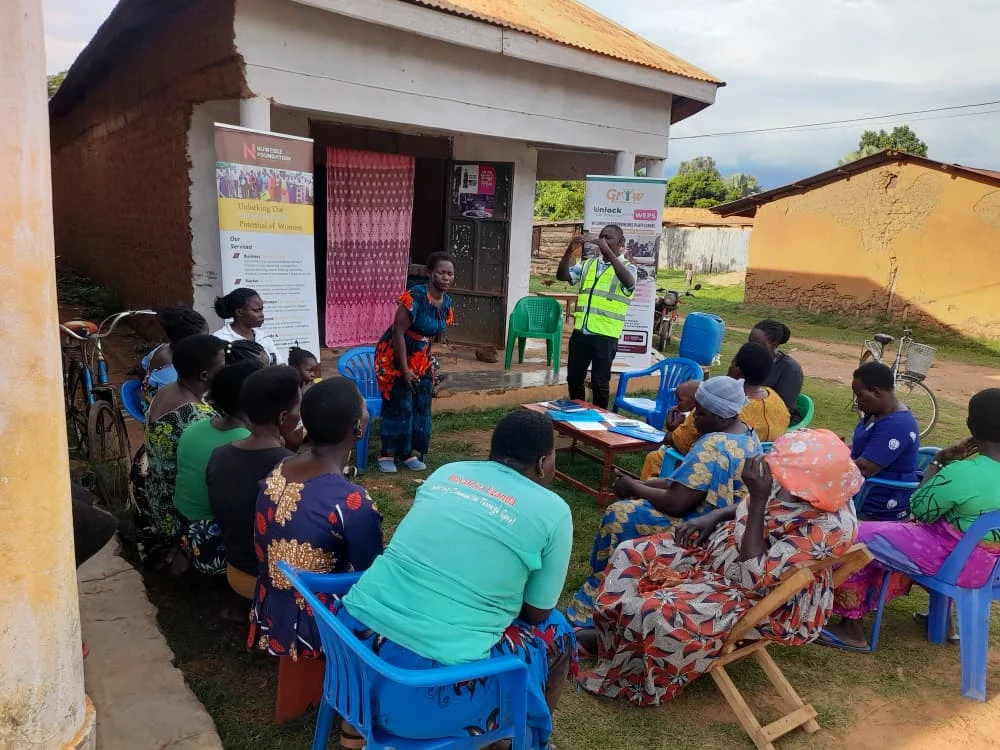
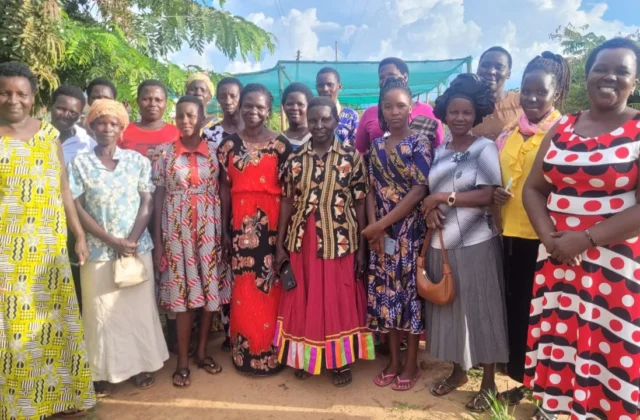
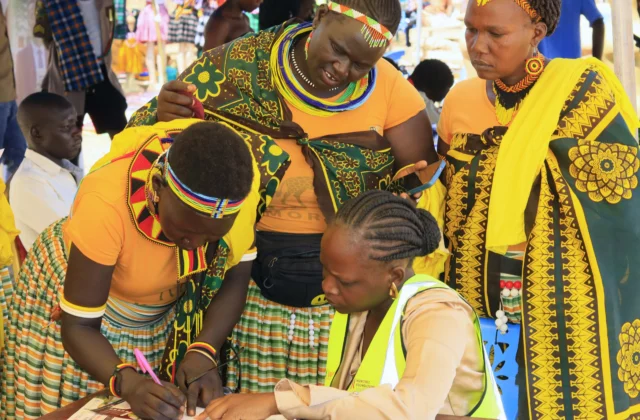
In Alemere, Amolatar District, members of the Nteko Koma’i Group collectively save up to UGX 1 million a week and have invested in a communal goat-farming project.
The initiative is more than a business activity: It is a Women Entrepreneurs Platform (WEP) initiative through which members are bringing community members together, pooling their efforts and building a shared enterprise for Amolatar WEP. Their commitment shows that women are already organising, saving and investing. The question is what is preventing these efforts from growing into stronger, more sustainable businesses.
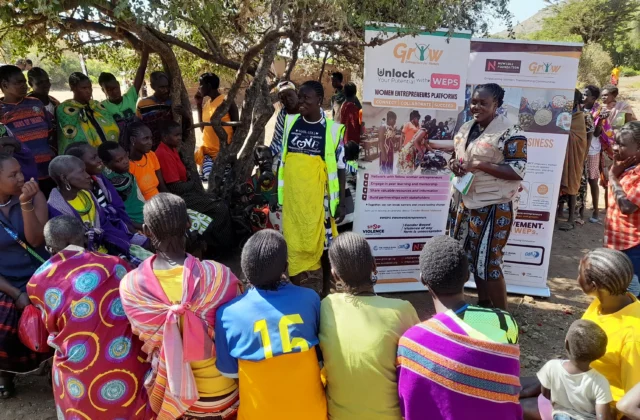
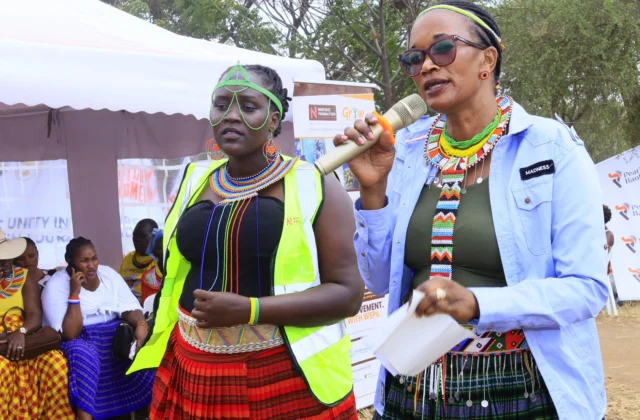
In October 2026, NUWEBIZ Foundation conducted GROW Project sensitization and grassroots mobilisation activities in Amolatar District under its role implementing Component 1A of the Government of Uganda’s GROW Project, led by the Ministry of Gender, Labour and Social Development. The community engagements highlighted financial, environmental, infrastructure and household-level challenges that can affect women’s ability to protect business investments and expand.
GENDER-BASED VIOLENCE AND FAMILY RESPONSIBILITIES CAN HOLD BUSINESSES BACK
Community concerns raised during the engagements point to a high level of gender-based violence (GBV), particularly around landing sites. Violence and related household pressures has made women carried substantial family economic responsibilities and coping with insecurity instead of having the time, resources and stability needed to invest in and grow their businesses. These pressures can interrupt business operations, divert attention and resources away from productive activities, and make it harder for women to build sustainable enterprises.
The experience of a woman wholesale trader in Amolatar Town illustrates the risks women may face even after accessing finance. In May 2026, after receiving a UGX 6 million GROW loan to expand her business, she reportedly faced an attempt by her husband to seize the funds and threats of eviction when she resisted. Centenary Bank intervened and recalled the funds into its custody. The case highlights that access to a loan does not automatically mean a woman can safely control and use the money for business growth. Financial literacy and business management support need to be complemented by appropriate responses to household pressure and GBV.
WOMEN ARE DIVERSIFYING, BUT BUSINESS RISKS REMAIN
Can Womere Pee
Can Wokere Pee Women’s Group, with more than 20 active registered members, engages in fish trading and smoking, tree planting, salon services, restaurant operations and cattle trading. The group is also planning a commercial catering service for local events and institutional functions.
However, its tree-planting activities have suffered setbacks. NUWEBIZ’s findings indicate that prolonged drought destroyed nursery seedlings, while the cost of pesticides and insecticides, damage caused by stray animals and a reported lack of local government support added to the challenges. These experiences show how environmental risks can undermine business investments, especially when groups have limited resources to recover their losses.
ACCESS TO FINANCE IS ONLY PART OF THE SOLUTION
NUWEBIZ’s community findings also highlight reported difficulties accessing GROW financing. These include strict loan requirements, documentation barriers, inadequate information among some bank staff about GROW loan guidelines and shortages of funds available for lending in certain instances. Addressing these challenges requires clear information, appropriate guidance and coordination among women’s groups, financial institutions and relevant stakeholders.
TRANSPORT, STORAGE AND MARKET CONDITIONS AFFECT RETURNS
Amolatar’s location between Lake Kyoga and Lake Kwania supports fishing, agriculture and trade, but businesses face practical constraints. NUWEBIZ’s findings identify road disruptions caused by heavy rains and flooding, high transport costs, fluctuating produce prices and inadequate storage for perishable goods, particularly tomatoes and onions. These challenges can reduce traders’ margins and cause produce losses.
Potential areas for targeted support include improved post-harvest storage, solar-powered cold-chain facilities, climate-smart agriculture, and value addition in fish and cassava processing. Such interventions would need to be explored with women entrepreneurs and relevant partners to ensure they respond to local priorities and practical needs.
AN OPPORTUNITY FOR DEVELOPMENT PARTNERSHIPS
The findings point to opportunities to strengthen existing group enterprises, protect productive assets, improve women’s access to and effective use of finance, and reduce losses associated with transport, storage and environmental risks. They also underline the importance of addressing GBV and household pressures that can undermine women’s economic participation and control over business resources.
Through its work to establish and strengthen Women Entrepreneurs Platforms (WEPs) under GROW Project Component 1A, NUWEBIZ Foundation helps organise women entrepreneurs, encourage collective action and identify their business needs. The communal goat-farming initiative of Nteko Koma’i Group is one example of how a WEP can bring members together around a shared economic project. Can Wokere Pee Women’s Group likewise demonstrates the range of enterprises women are pursuing and the constraints they must navigate.
HELPING EXISTING EFFORTS GO FURTHER
Women in Amolatar are already saving, investing, diversifying and building collective initiatives. Nteko Koma’i Group’s goat-farming project reflects the potential of a WEP-led community enterprise, while Can Wokere Pee Women’s Group’s activities show women’s determination to pursue multiple sources of income. Yet, as NUWEBIZ’s October 2026 community findings indicate, business ambition alone cannot remove financial, environmental, infrastructure and gender-related barriers.
The opportunity is not simply to encourage women to start businesses or invest. It is to build partnerships that address the constraints affecting their existing efforts including the impact of GBV, family responsibilities, climate risks, financing barriers and transport and storage challenges so that women can sustain, protect and grow the enterprises they are already working hard to build.
 ✕