Promoting Inclusion and Economic Empowerment of the Tepeth Community in Moroto District
By Israel Brown;
Tapac Sub-County, Moroto District, Karamoja Region, Uganda | 15 September 2026
Women entrepreneurs in geographically isolated communities face barriers that extend beyond access to finance. Limited access to markets, business development services and skills training combined with climate-related livelihood risks and harmful social practices can restrict women’s ability to build sustainable enterprises and participate fully in local economic development. The experiences of the Tepeth community in Moroto District highlight the importance of inclusive, locally responsive support.
The Tepeth Community: Barriers and Economic Opportunities
The Tepeth are a minority ethnic community living in the mountainous areas of Moroto District. Their geographical isolation, settlements across surrounding hills can make access to markets, business opportunities, skills development and essential services more difficult. The Tepeth community surroundings are close to the Kenya border
The community also faces serious social challenges, including child marriage and reported cultural practices in which girls may be exchanged for cattle as part of marriage arrangements. Where this practice occurs, a girl can be treated by the family and wider community as an economic asset whose marriage brings material value to the household, rather than as a child with independent rights, choices and aspirations. In this sense, girls may be regarded as valuable commodities within a cattle-based exchange system: their perceived value is linked to the cattle received, while their own wishes, education, safety and future opportunities risk being pushed aside. This can reinforce early marriage and gender inequality, and may place pressure on families to view girls in terms of the economic benefit their marriage can bring. This description refers to the harmful practice reported in the community and should not be taken to mean that every Tepeth family follows it. It highlights the need for targeted, culturally informed interventions that protect girls’ rights, prevent child marriage, promote gender equality and strengthen women’s economic independence.
Some community members earn income through small-scale enterprises, including the production and sale of local brew, commonly known as Ebutiya , made from fermented sorghum and maize. The field assessment also identified other business activities, including retail shops, maize trading, takeaway food and cereal banking. These activities demonstrate existing enterprise initiative, but limited market access, high or fluctuating input costs and geographical isolation can constrain growth and reduce opportunities to improve household incomes.
NUWEBIZ’s Implementation Role under the GROW Project
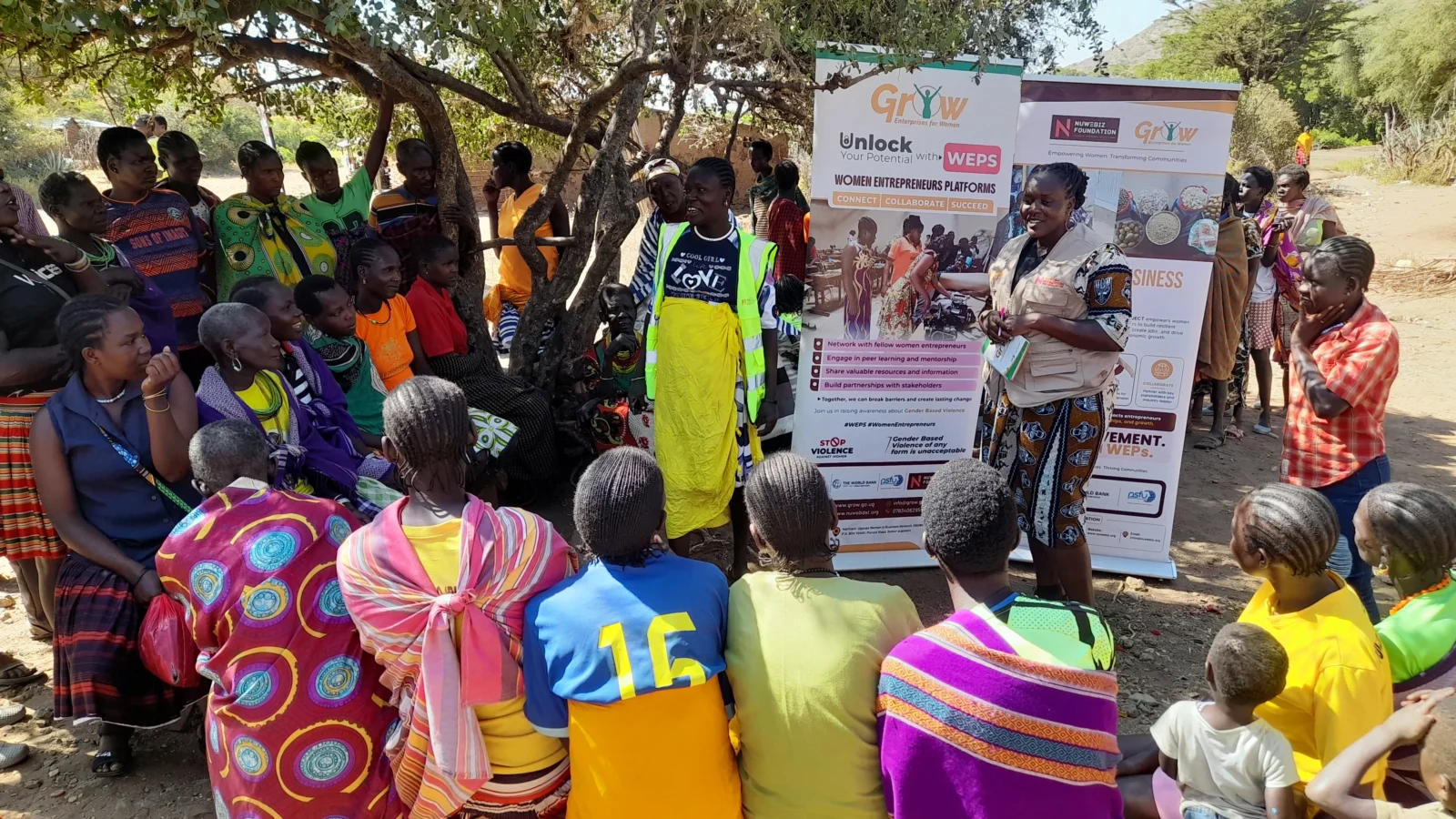
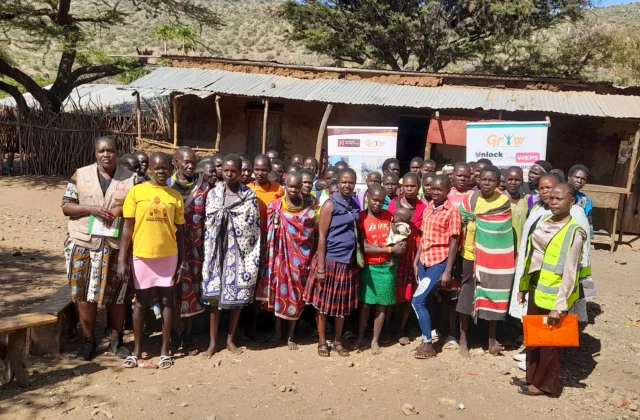
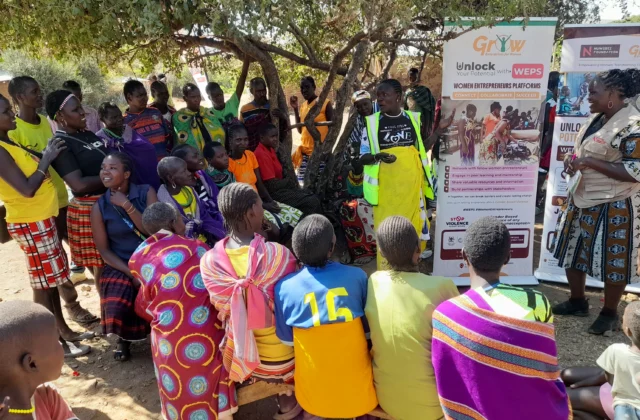
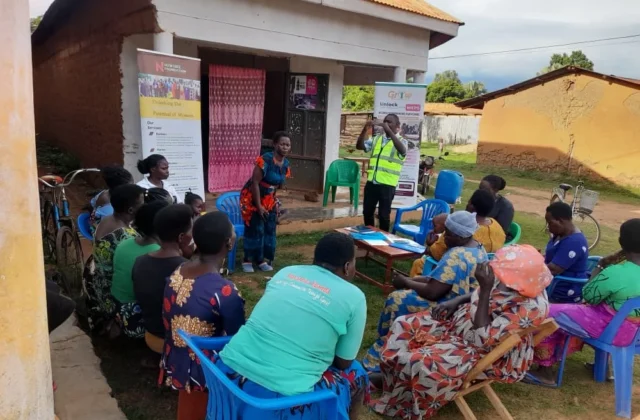
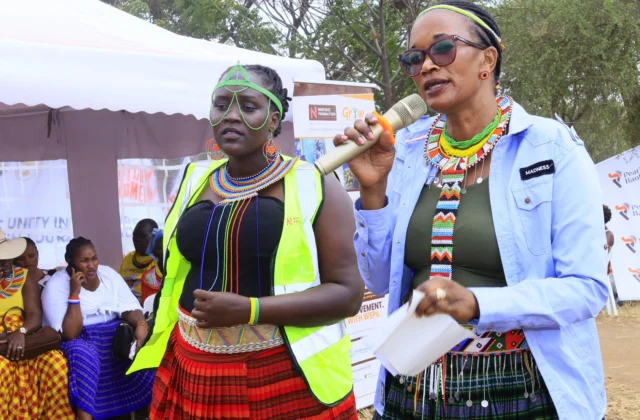
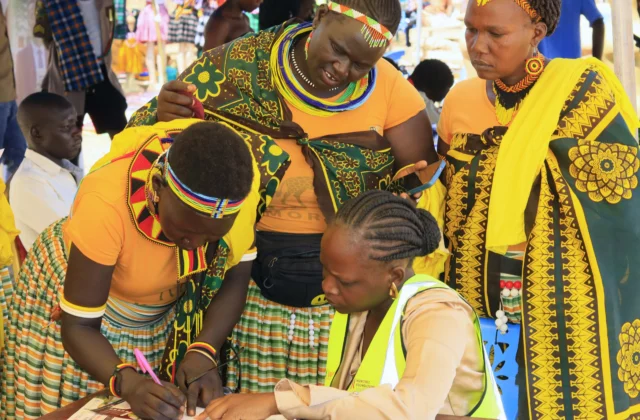
On 15 September 2026, NUWEBIZ Foundation Limited reached 107 women entrepreneurs and community members in Tapac Sub-County through a community sensitisation and business-profiling exercise under the Government of Uganda’s Generating Growth Opportunities and Productivity for Women Enterprises (GROW) Project, Component 1A. The activity focused on raising awareness of GROW services, documenting women’s businesses and identifying barriers to enterprise growth.
Through its implementation role under the GROW Project, NUWEBIZ can help extend relevant interventions to underserved and minority communities, including eligible Tepeth women entrepreneurs. This may include facilitating access to business development support, entrepreneurship skills, financial literacy, mentorship, group strengthening and links to markets and financial institutions. Community outreach and mobilisation can help women understand available support, identify business opportunities and connect with relevant services.
The field assessment also highlighted the importance of strengthening women’s groups. For example, the Lochorokipi Women’s Group was reported to lack formal registration, a group bank account, written governance rules and a management committee. Where these gaps are confirmed, support could focus on group organisation, governance and registration, as appropriate, to help women organise effectively and prepare for potential engagement with financial service providers.
Skills, Markets and More Resilient Livelihoods
Skills development is another potential area of intervention. Through relevant training and work-placement opportunities supported under the GROW Project, eligible women may be able to acquire practical business or vocational skills, strengthen their confidence and explore sustainable livelihood options. The precise support available will depend on the project’s eligibility criteria and implementation arrangements.
The assessment recorded that poor rainfall since May 2026 affected farming and contributed to scarcity and higher costs for some raw materials. This is particularly relevant for enterprises that depend on agricultural products such as sorghum and maize. Proposed follow-up options include assessing the feasibility of alternative or complementary enterprises such as beekeeping, honey production, retail and agricultural trading. These should be explored with the women themselves and in light of market demand, local conditions and available resources.
Improving access to finance also requires preparation and appropriate referrals. Business and financial literacy, stronger group structures, basic business records and connections to relevant banks, microfinance institutions or SACCOs may help eligible women assess available financial services. Access to loans is not guaranteed and will depend on each provider’s requirements and the applicant’s eligibility.
Protecting Girls’ Rights and Challenging the Commodification of Girls
Economic empowerment for women should be accompanied by efforts to protect girls from being treated as a means of securing household wealth. Community dialogue with parents, elders, local leaders and relevant protection services can help challenge the idea that cattle or other material benefits justify a girl’s early marriage. Supporting women with viable livelihoods and greater control over income may also help reduce economic pressures that can contribute to harmful marriage practices, although economic support alone cannot replace child-protection measures, education, legal safeguards and sustained community engagement.
Promoting Inclusion and Addressing Social Barriers
The GROW Project provides an opportunity to ensure that women from minority ethnic groups are not left out of wider efforts to promote women’s entrepreneurship and economic empowerment in Uganda. NUWEBIZ’s implementation role can help translate this objective into outreach and support that respond to the circumstances of women living in geographically isolated areas.
In collaboration with local leaders, community elders and relevant service providers, proposed engagement can also help raise awareness of girls’ rights, gender equality and the harmful effects of child marriage and other practices that limit women’s choices. Such engagement should be conducted sensitively, with the safety, dignity and rights of women and girls at its centre.
The 15 September engagement represents an initial step: 107 women entrepreneurs and community members were reached through sensitisation and business profiling. Further training, group strengthening, market linkages, referrals and other support described in this article are potential next steps, not activities confirmed as completed.
Building Partnerships for Sustainable Enterprise Growth
The experience in Tapac demonstrates that women’s economic empowerment requires more than access to finance. Women also need relevant business skills, stronger enterprise and group structures, viable markets, resilient livelihood options and a supportive environment in which they can make economic decisions.
NUWEBIZ Foundation Limited welcomes collaboration with development organisations, financial institutions, private-sector actors and other stakeholders interested in advancing women’s entrepreneurship in Northern Uganda. Potential areas for collaboration include business development training, financial literacy, market linkages, climate-resilient enterprise initiatives, organisational strengthening and support for women’s economic participation.
Ultimately, these efforts aim to ensure that minority women particularly those living in geographically isolated communities have equitable opportunities to develop their skills, grow their businesses, improve their livelihoods and participate meaningfully in Uganda’s economic development.
NUWEBIZ Foundation Limited
Supporting women entrepreneurs through organisation, capacity development and linkages to enterprise opportunities under the GROW Project.
 ✕